Basilica mosaic pavement uncovered during harbor works in ancient Tieion
Excavators in the Black Sea port of Filyos have revealed a fourth-century geometric mosaic floor with wave-crest borders. The pavement adorned the central nave of a harbor church that served maritime traders.
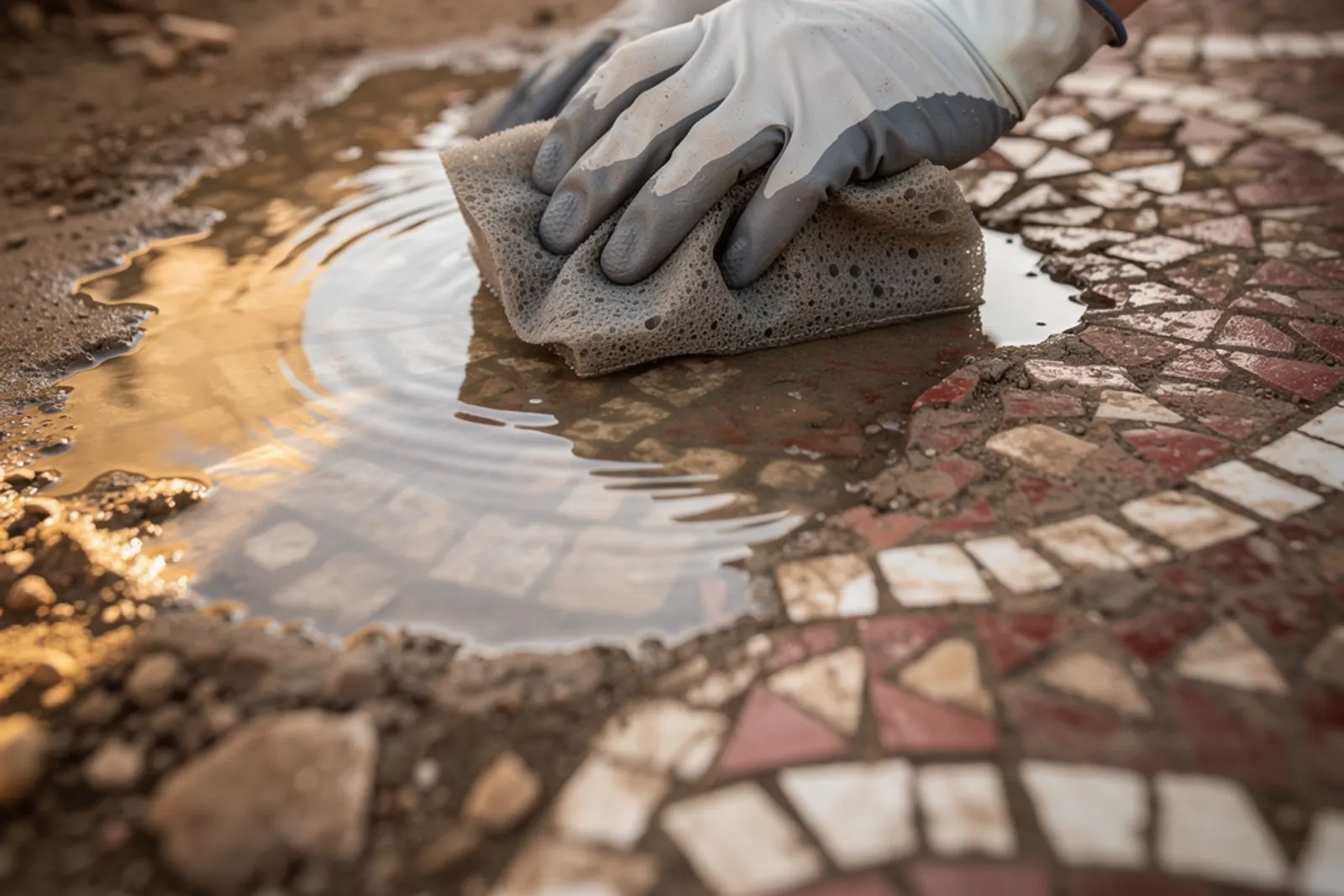
Illustration. A conservator sponges damp silt from an intricate geometric mosaic border inside the ancient basilica at Filyos.
Where
Filyos, ZonguldakBlack Sea region
Archaeological teams working along the harbor frontage at Filyos uncovered an extensive mosaic pavement this week during conservation soundings. The floor formed part of a three-aisled basilica erected just inland from the Roman coastal breakwater. Workers revealed panels composed of tiny limestone and brick tesserae arranged in interlocking wave motifs, solomon knots, and running vines.
The coastal town, known in antiquity as Tieion, served as a primary Black Sea timber and coal loading port. Conservators cleared thick deposits of alluvial gravel washed down by the adjacent river, exposing stone surfaces preserved in sharp condition. Regional heritage authorities immediately set up protective temporary shades to prevent rapid moisture loss from the mortar bed.
Local stone and river pebbles
Unlike urban basilicas that imported colored marble from distant quarries, the Filyos floor relied heavily on materials sourced from regional stream beds. Tesserae cut from dark river basalt, white coastal limestone, and terracotta roofing tiles form intricate braided borders around central medallions. The craftsmen laid the stones in a dense lime mortar tempered with crushed brick dust.
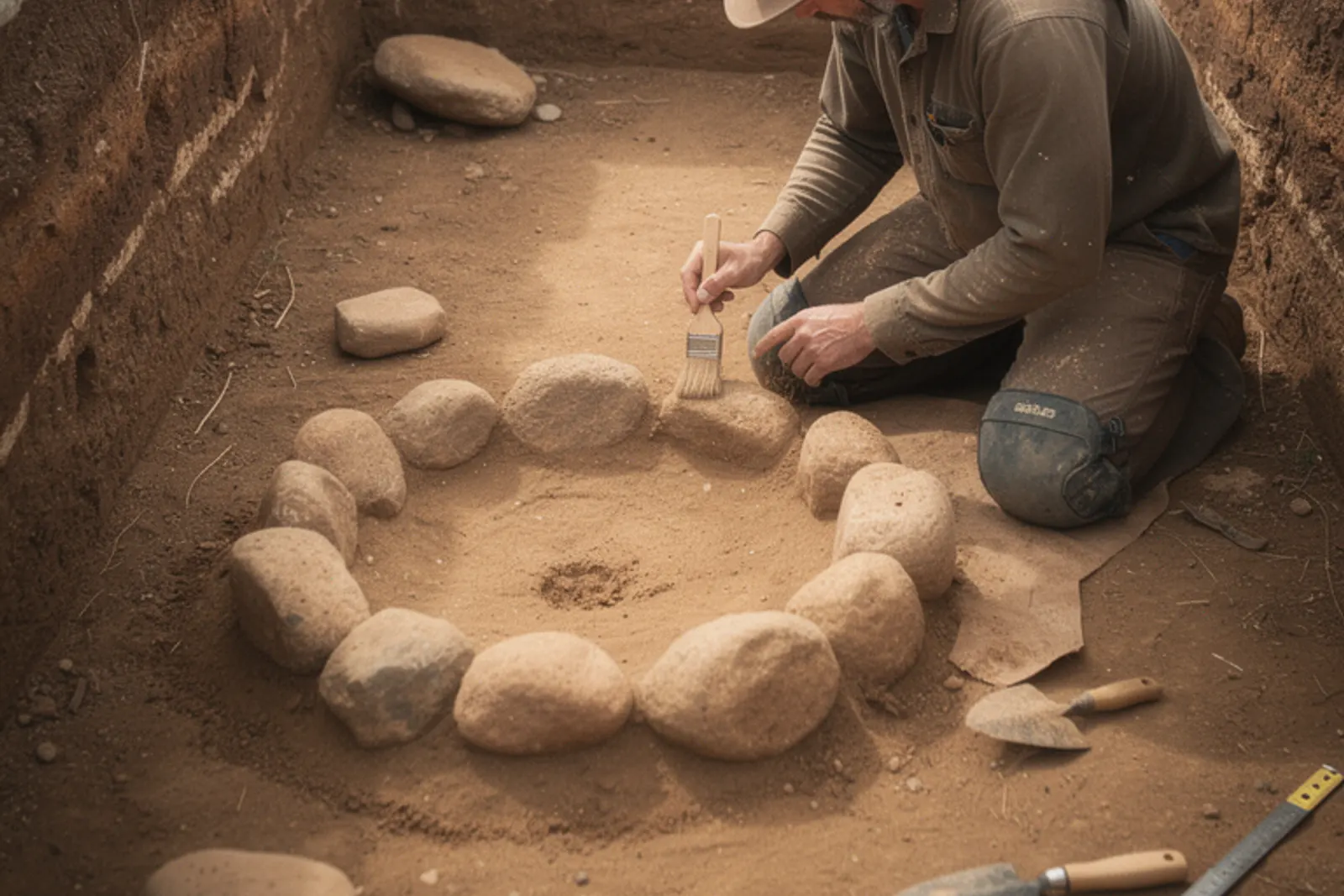
Excavation workers used wooden spatulas and fine water mists to lift encrusted sea salts without loosening individual tesserae. Beneath the northern aisle, the team identified remnants of an earlier hypocaust tile heating channel that supplied warmth to adjacent portico offices. The church appears to have been expanded twice as maritime trade through the harbor grew.
“The craftsmen used local pebbles and brick cuttings to achieve patterns that rival the grandest provincial workshop repertoires.”
Serkan Celik, mosaic conservator
Harbor trade connections
Coins discovered in the destruction fill above the mosaic suggest the structure remained active into the middle Byzantine period before silting compromised the inner harbor basin. Ceramic cooking pots and glass oil lamp fragments scattered along the floor indicate busy communal use. The church likely received visiting mariners who made offerings before sailing through unpredictable Black Sea swells.
Archaeologists also noted repairs made to the mosaic during antiquity, where damaged tesserae were replaced with plain white limestone cubes. These practical restorations demonstrate long continuity of use by the harbor community.
- Interlocking wave-crest border in deep red and cream tesserae
- Central medallion with stylized vine leaves and ivy tendrils
- Mortar bedding mixed with pozzolana and crushed brick powder
Sheltering the nave for winter
With winter coastal storms approaching from the north, conservators are applying geotextile membranes and layers of washed silica sand across the pavement. The protective fill insulates the stone cubes against freezing groundwater and coastal spray. A permanent steel truss canopy is planned for construction ahead of the summer visitor season.
Next season, field teams plan to trace the western entrance porch toward the ancient harbor street to establish how the church connected with commercial warehouses. The excavated floor will eventually become part of an open-air archaeological park along the town's restored seawall.
Sources
- Tieion Harbor Excavation Preliminary Report — Black Sea Cultural Directorate, Sector Basilica-North Field Summary
Spotted an error? Write to [email protected] — see our corrections policy.