Autumn bird counts on Lake Ercek record staging flocks of ruddy shelducks and grebes
Ornithologists and highland wildlife wardens have concluded their late-season waterbird census at the saline lake near Van. Lower water levels and quiet shores offer resting food grounds for birds heading south.
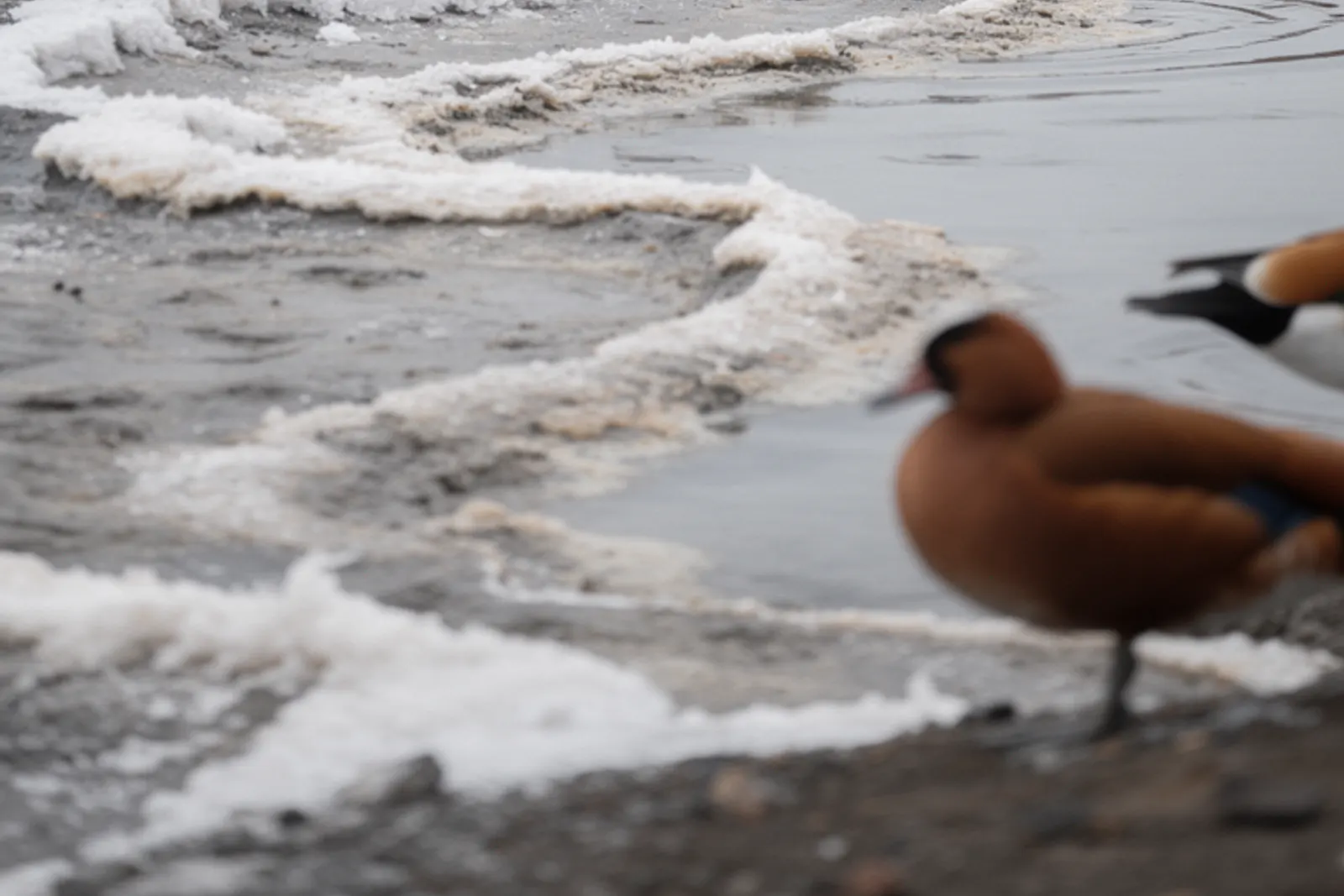
Illustration. Flocks of ruddy shelducks rest along the alkaline mudflats of Lake Ercek beneath volcanic hills.
Where
Ipekyolu, VanEastern Anatolia region
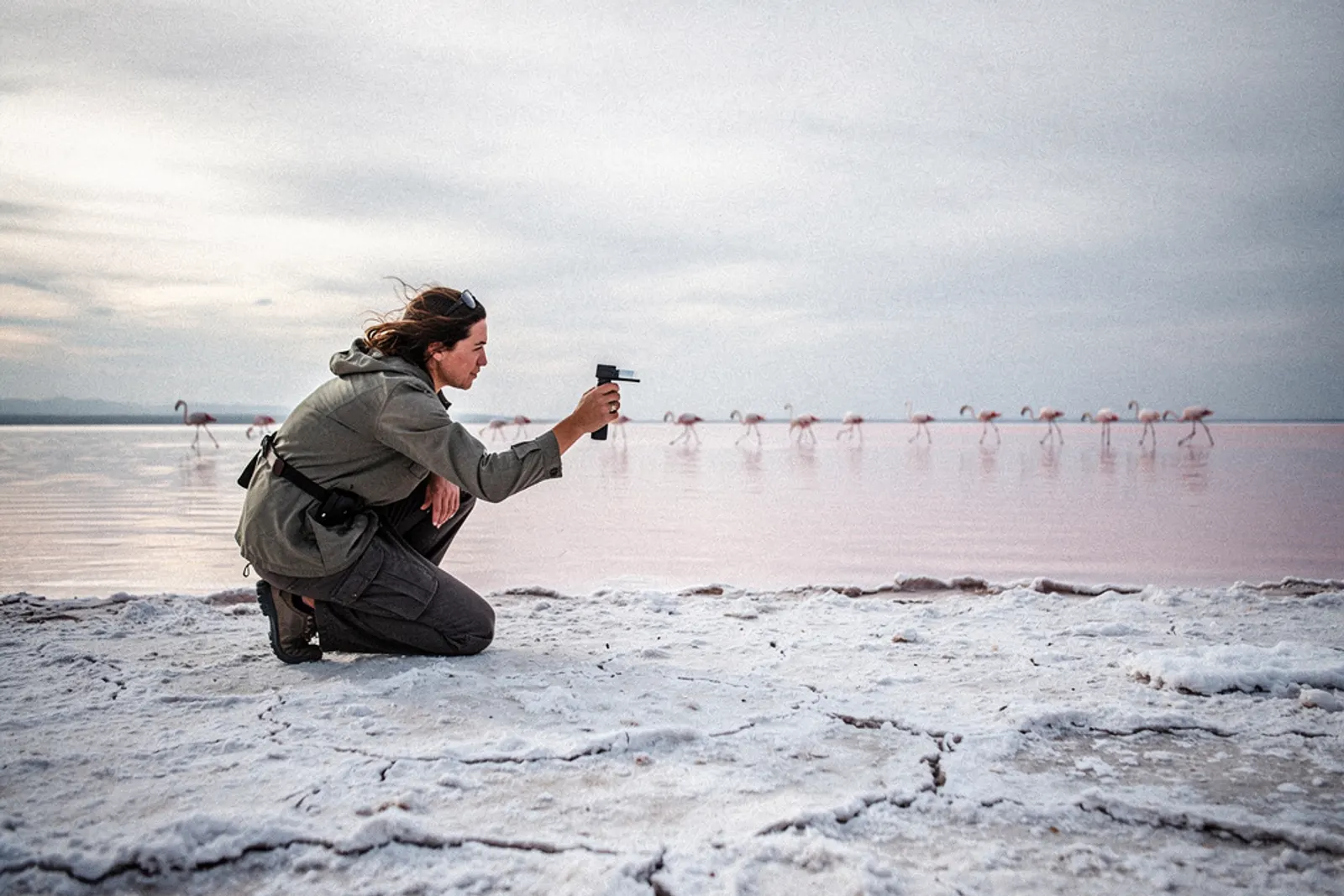
Field biologists and volunteer bird counters completed their seasonal waterbird survey at Lake Ercek this week, recording significant concentrations of migrating wildfowl. Situated just east of Lake Van on a high volcanic plateau, the soda lake acts as a vital resting stop for flocks crossing the mountains of Eastern Anatolia before high passes freeze. Observers using spotting scopes along the reed-fringed northern shoreline counted thousands of waterfowl feeding on abundant brine shrimp and aquatic insect larvae.
The survey, coordinated by a regional natural life collective alongside volunteer naturalists, tracks species numbers to monitor wetland conditions across the Armenian Highland basin. Lake Ercek does not freeze as quickly as surrounding freshwater reservoirs due to its high salt and sodium carbonate content, providing birds with dependable open feeding water well into late autumn. The census documented healthy flocks of ruddy shelducks, black-necked grebes, and greater flamingos.
Feeding along the salt pans
The lake's eastern shallows form broad mudflats where nutrient-rich silt hosts dense colonies of microscopic invertebrates. Flocks of ruddy shelducks, distinguishable by their rusty orange bodies and pale cream heads, gather in tightly packed rafts to filter-feed along the shoreline. Grebes dive continuously in deeper water channels, gorging on small fish and water beetles to build fat reserves needed for long journeys south toward the Tigris basin.
Highland winds keep the water surface rippling with white mineral foam that accumulates along the pebbled banks. The survey team noted that quiet shore access, free from heavy vehicle traffic, has allowed ground-nesting and foraging birds to feed without frequent disturbance. Wardens patrol the perimeter tracks to ensure livestock herders keep sheep away from fragile salt-crust edges.
“Ercek is a vital fuel station; birds arrive exhausted from the Caucasus ridges and spend a fortnight feeding undisturbed before continuing their flight.”
Bedros Halici, field ornithologist and census counter
Flora on the volcanic perimeter
Beyond the water line, the shoreline supports specialized salt-tolerant flora adapted to alkaline mud and severe diurnal temperature swings. Low-growing glasswort cushions and sea lavender mats turn rich ochre and deep red as night frosts bite the plateau. These halophytic plants stabilize the shoreline soil and trap drifting seeds from steppe grasses.
Botanists accompanying the bird team collected seed specimens from endemic steppe asters and wild rye growing on the surrounding volcanic hills. The vegetative buffer prevents upland sediment from eroding into the lake, preserving the fragile saline balance essential for brine shrimp reproduction.
- Extensive mats of crimson glasswort along the southern salt marshes
- Dense colonies of brine flies providing high-protein feed for waders
- Volcanic basalt scree slopes buffering northern bays from mountain winds
Preparing for plateau winter
Within several weeks, freezing winds from Mount Erek will push temperatures far below zero, prompting the remaining migratory flocks to lift off toward warmer southern river plains. Only small groups of cold-hardy diving ducks and resident raptors will remain around the open saline center of the lake through the heart of winter. Survey data gathered this season will enter the national waterbird registry to help shape seasonal grazing limits.
The field team packed their optical gear and weather sensors as late-afternoon shadows stretched across the volcanic landscape. Regular monitoring runs will resume in early spring when melted snowpacks refill the shoreline shallows and northbound migration begins anew.
Sources
- Lake Ercek Waterbird Census and Shoreline Survey — Highland Wetland Research Network, Survey Report Van-East Sector 2
Spotted an error? Write to [email protected] — see our corrections policy.