Stone-ground pepper mills of Urfa sustain late autumn isot curing traditions
Courtyards across the old quarter fill with purple-black flakes as family producers conclude the season of slow sweat-curing and hand milling. The craft balances hot sun, burlap wraps, and basalt millstones.
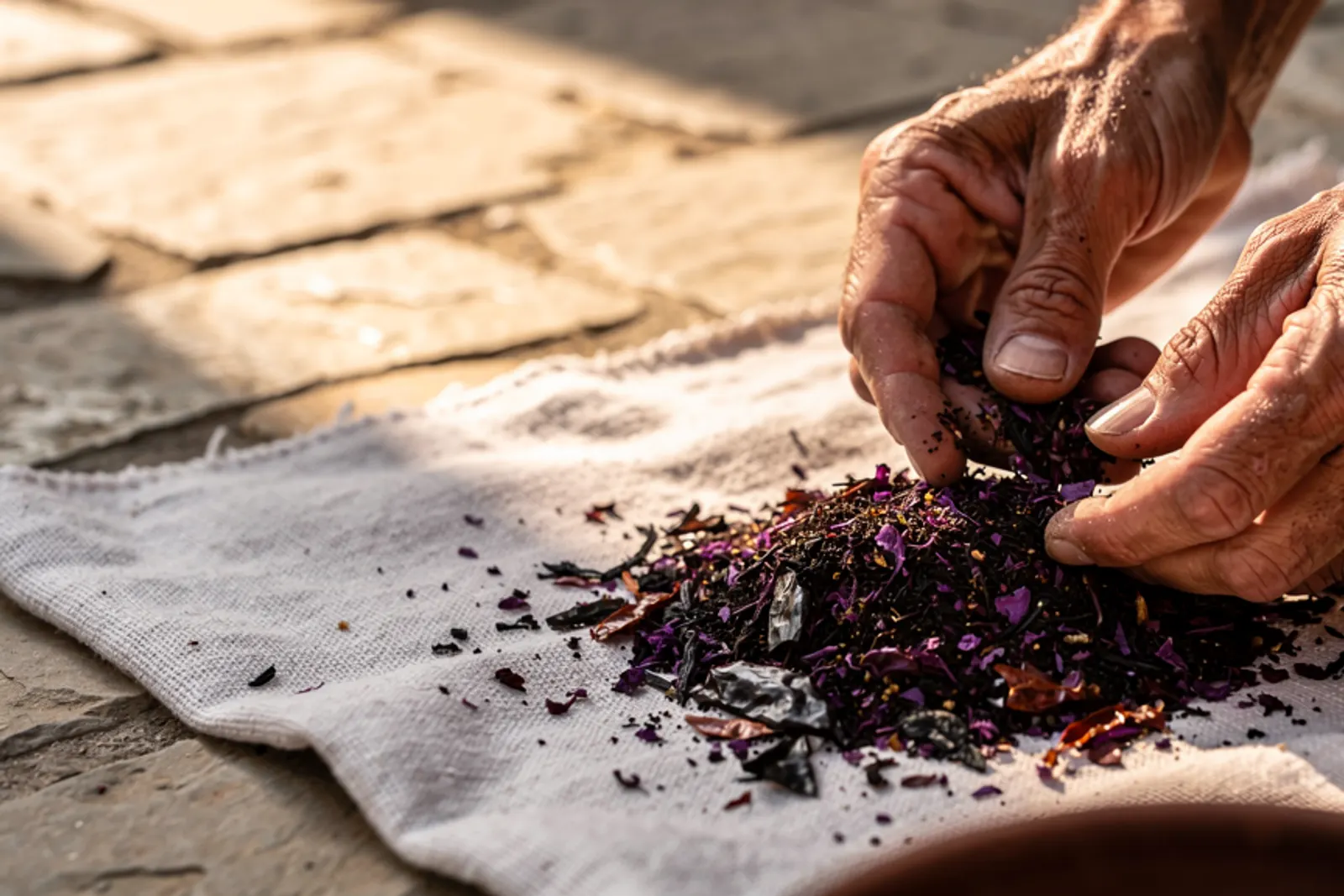
Illustration. Hands turn deeply colored, sweating pepper flakes on a rooftop cotton cloth in the historic quarter of Sanliurfa.
Where
Sanliurfa, Southeastern AnatoliaSoutheastern Anatolia region
Courtyard roofs across Sanliurfa took on their deep autumn sheen this week as pepper processors finished sweat-curing the final harvest of local sweet red peppers. The production of authentic isot, the regional fermented chili flake, reaches its peak just before cold northern winds replace the lingering heat of the Mesopotamian plain. In stone-paved houses behind the old bazaar, families chop, salt, sun-dry, and sweat the peppers in a process that transforms bright scarlet pods into dark, smoky flakes.
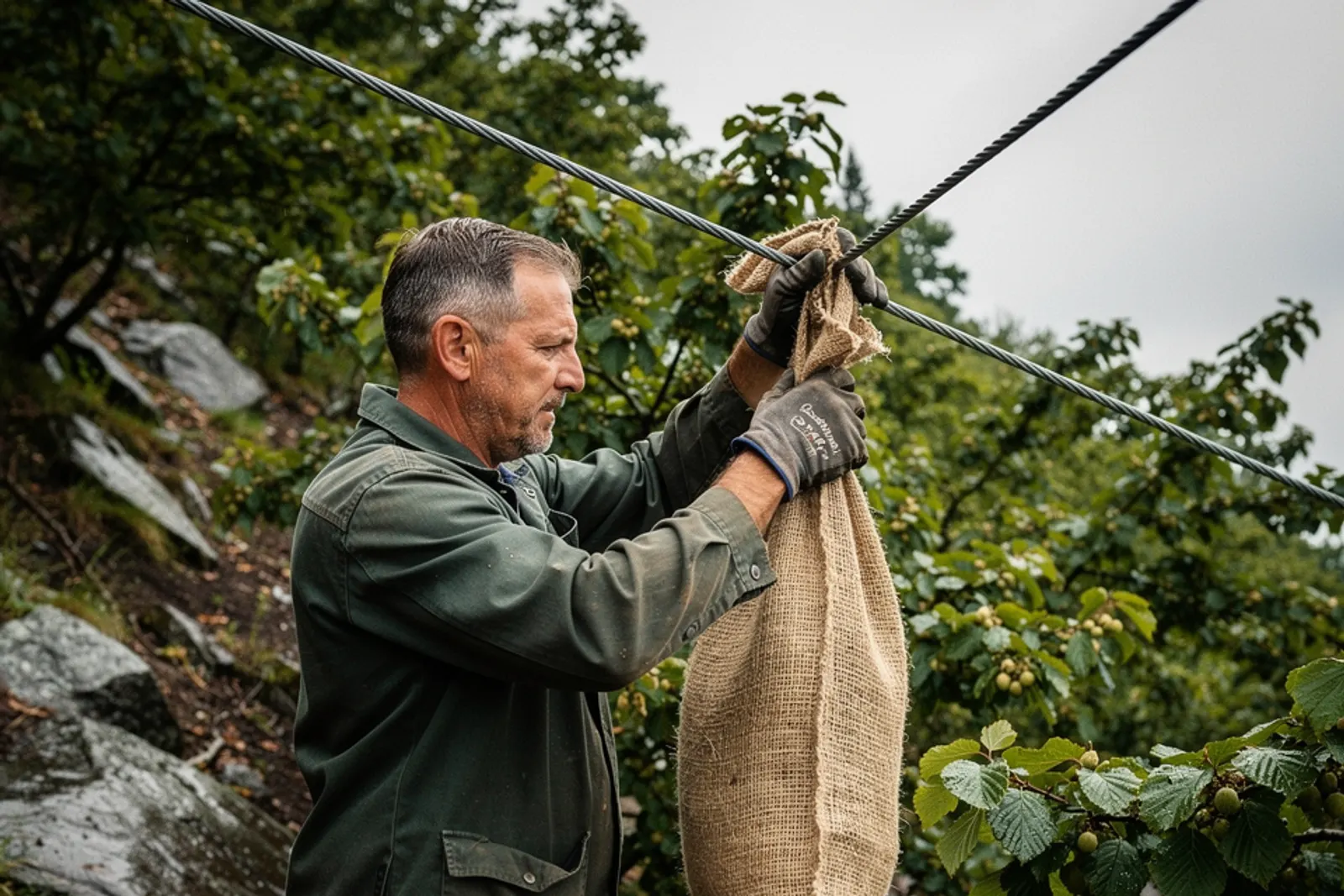
The transformation depends on precise moisture control rather than high heat or artificial smoking. Workers spread split peppers on clean cotton sheets across flat stone rooftops during the bright midday sun. When the pods soften and lose initial water weight, workers gather them into dense burlap sacks before dusk, allowing the trapped warmth to start an enzymatic fermentation that deepens the pepper's natural purple-black tone.
The rhythm of the sweat cycle
For nearly a week, the peppers cycle between rooftop sun and insulated sweating bags. Each morning, processors inspect the sacks, checking heat development with their bare palms to ensure the chili pods do not overheat or turn sour. The sweating caramelizes the pepper's natural sugars, producing notes of dried raisin, sweet tobacco, and gentle charcoal without burning the flesh.
Once the desired shade is achieved, the dried peppers travel to neighborhood stone mills operating in covered alleys. Heavy basalt millstones turn slowly at low revolutions, crushing the brittle skins into glistening coarse flakes without generating friction heat that would evaporate delicate essential oils. Small amounts of olive oil and rock salt are folded in by hand to preserve the gloss.
“The pepper must breathe in the sun by day and sleep in the wool sacks by night until its color turns as dark as ripe mulberries.”
Fatma Celiker, courtyard pepper master
Grading by shade and depth
Traditional makers classify isot into three distinct grades based on the number of sweat days and the resulting color. Red isot, sweated for only two days, retains a sharp piquant fruitiness ideal for lentil soups and vegetable stews. Purple isot spends four days in the sacks and accompanies grilled meats, while the prized black isot requires nearly a week of meticulous sweat cycles.
Makers refuse to use industrial artificial dyes or speed up the process with electric drying ovens. The purity of the flake is verified by rubbing a pinch between damp fingers; authentic isot releases oil and aroma gradually without leaving a harsh chemical stain on the skin.
- Sun drying on unbleached cotton tarpaulins to remove excess moisture
- Nighttime sweat fermentation inside heavy natural jute sacks
- Slow milling between grooved basalt stones to preserve volatile aromatics
Filling the winter pantry
With the curing season drawing to a close, families pack the dark flakes into glazed earthenware pots and seal them with olive oil-dipped parchment. These jars stock household pantries through the winter, providing the smoky foundation for raw bulgur kofta, braised lamb dishes, and breakfast egg pans. Neighborhood spice merchants weigh portions into plain brown paper bags for customers arriving from across the province.
As late autumn rains begin to settle regional dust, courtyard roofs are swept clean and cotton cloths washed and folded until the next late summer picking. The basalt mills quiet down, having ground another season of Urfa's most distinctive flavor.
Sources
- Traditional Fermented Pepper Production Field Register — Urfa Artisanal Food and Heritage Guild, Craft Register Isot-Old Quarter
Spotted an error? Write to [email protected] — see our corrections policy.